

CT Scan vs Ultrasound: Understanding the Differences in Medical Imaging

When your doctor orders imaging, it’s common to wonder about the difference between a CT scan vs ultrasound and why one test may be recommended over the other. Both imaging methods play important roles in diagnosing medical conditions, but they work very differently and are used for different clinical purposes. At Fairbanks Ultrasound, we help patients understand ultrasound imaging and how it compares to other diagnostic tools so they can feel confident about their care.

Choosing between a CT scan and an ultrasound depends on the area being examined, the type of symptoms present, and the level of detail needed. Understanding how each test works—and what it can show—helps patients make informed decisions and reduces anxiety about the imaging process.

How Ultrasound Works and What It Shows

Ultrasound uses high-frequency sound waves to create real-time images of organs, tissues, and blood flow. It is widely used because it is safe, painless, and does not involve radiation. Ultrasound is especially effective for imaging soft tissues and evaluating movement, such as blood flowing through vessels or organs shifting with breathing.

ct scan vs ultrasound 3

Ultrasound Key Features

Get in touch with us!
ultrasound_scanner

Uses sound waves instead of radiation

Produces real-time images for dynamic evaluation

Commonly used for abdominal, pelvic, thyroid, vascular, and pregnancy imaging

Safe for repeated use and during pregnancy

Can assess blood flow using Doppler technology

Typically lower cost and faster scheduling

Ultrasound is often the first imaging test ordered because it provides valuable information quickly while minimizing risk to the patient.

How CT Scans Work and What They Show

A CT scan (computed tomography) uses X-rays combined with computer processing to create detailed cross-sectional images of the body. CT scans are particularly useful for viewing bones, detecting internal bleeding, and identifying complex conditions that require high-resolution imaging.

CT Scan Key Features
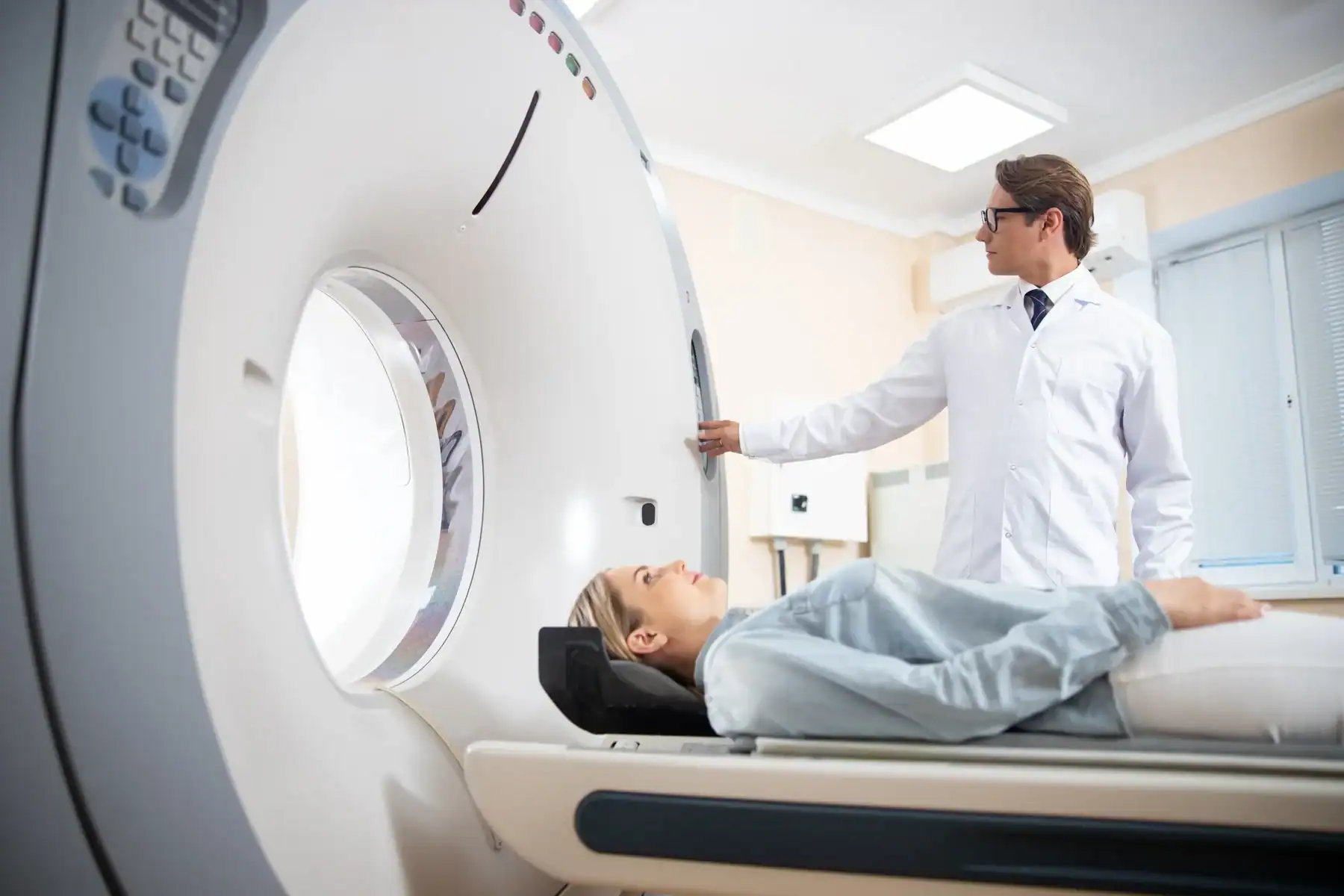
ct scan vs ultrasound 2

Uses X-ray radiation to create detailed images

Produces cross-sectional and 3D views of the body

Commonly used for trauma, lung, brain, and cancer imaging

Can detect internal injuries and bleeding quickly

Often requires contrast dye for enhanced detail

Higher cost compared to ultrasound

Because CT scans expose patients to radiation, they are usually reserved for situations where detailed internal views are essential.

Because CT scans expose patients to radiation, they are usually reserved for situations where detailed internal views are essential.

CT Scan vs Ultrasound: Key Differences Explained

When comparing a CT scan vs ultrasound, the most important differences involve safety, cost, and clinical application. Ultrasound excels at evaluating soft tissues, organs, and blood flow without radiation, making it ideal for routine monitoring and initial diagnosis. CT scans, on the other hand, provide more detailed images of complex structures and are often used in emergency or advanced diagnostic situations.

In many cases, doctors begin with ultrasound and only recommend a CT scan if further clarification is needed. This step-by-step approach helps limit radiation exposure while still ensuring accurate diagnosis.

Which Imaging Test Is Right for You?

The choice between ultrasound and CT scanning depends on your symptoms, medical history, and the body part being examined. Ultrasound is frequently used for abdominal pain, gallbladder issues, thyroid concerns, vascular conditions, and pregnancy-related imaging. CT scans are often chosen for trauma, suspected internal bleeding, lung disease, or complex abdominal conditions.

Your healthcare provider will consider factors such as urgency, image detail required, and safety when recommending the most appropriate imaging method.

Why Fairbanks Ultrasound Is a Trusted Imaging Provider

At Fairbanks Ultrasound, we specialize in high-quality diagnostic ultrasound services delivered in a comfortable, patient-centered environment. Our experienced sonographers and advanced imaging technology ensure accurate results that physicians can rely on. We focus on providing efficient scheduling, clear communication, and imaging that prioritizes patient safety.

When ultrasound is the right choice, our team is dedicated to delivering detailed imaging and timely results to support your healthcare journey.

Frequently Asked Questions About CT Scan vs Ultrasound

Yes, ultrasound is generally considered safer because it does not use ionizing radiation. It relies on sound waves, making it a preferred option for pregnant patients, children, and individuals who require repeated imaging. CT scans use X-ray radiation, which is safe when medically necessary but typically limited to situations where detailed imaging is required.

A doctor may choose a CT scan when detailed cross-sectional images are needed, such as in cases of trauma, suspected internal bleeding, lung conditions, or complex abdominal issues. CT scans provide more detailed images of bones and certain internal structures that ultrasound may not visualize as clearly.

In many cases, ultrasound can be used as the first imaging test, especially for abdominal, pelvic, thyroid, and vascular concerns. However, it does not fully replace CT scans. If ultrasound findings are unclear or if more detailed imaging is needed, a CT scan may be recommended as a follow-up.

Ultrasound is typically more affordable than a CT scan. It also often has faster scheduling availability and does not require contrast dye. For patients paying out of pocket, ultrasound is often the more cost-effective diagnostic option.

Most ultrasound exams are completed within 20 to 45 minutes, depending on the area being examined. CT scans are usually quicker, often taking 10 to 20 minutes, but may require additional time if contrast dye is used.

Ultrasound images are captured in real time, but results are usually reviewed by a radiologist or qualified provider before being sent to your referring physician. Your doctor will then discuss the findings and next steps with you.

Schedule Your Ultrasound at Fairbanks Ultrasound

If you’re comparing a CT scan vs ultrasound and want to understand whether ultrasound is the right option for your situation, Fairbanks Ultrasound is here to help. We offer expert imaging services and are happy to answer questions about the exam, preparation, and what to expect.

Contact Fairbanks Ultrasound today to schedule your ultrasound and take the next step toward clear, confident diagnostic care.