
Get Screened for Blood Clots in Fairbanks, Alaska
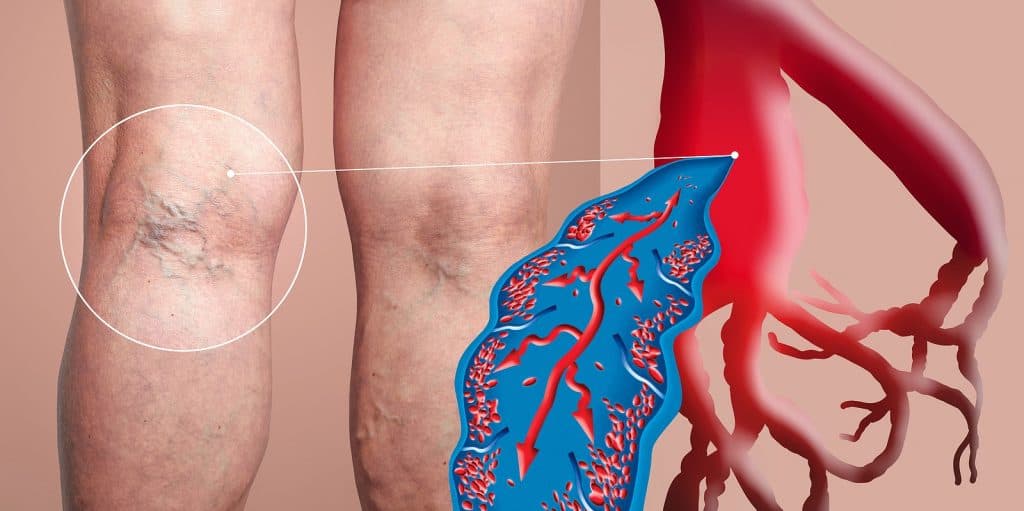
That aching feeling in your calf or along your leg(s) shouldn’t be ignored. If you are experiencing swelling, pain, or redness in your legs – these could be symptoms of a blood clot. This is a potentially serious (even fatal) medical condition. It is essential to be proactive and get a blood clot screen in Fairbanks, Alaska to ensure timely diagnosis and appropriate treatment.
Let’s discuss what a blood clot is, its symptoms, and the importance of getting screened for blood clots. If you recognize many of these signs and symptoms as you’re reading the content, we urge you to get checked at Fairbanks Ultrasound, our premium imaging center in Fairbanks, Alaska.
Blood Clots at a Glance
Get in touch with us!
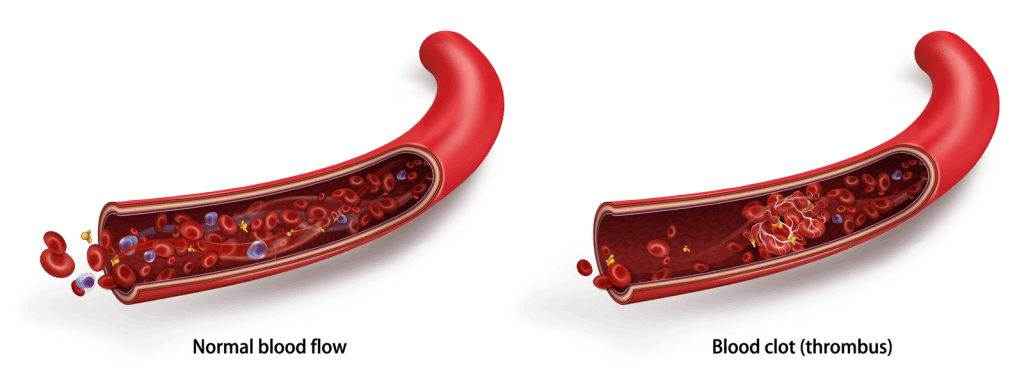
A blood clot, also known as a thrombus, is a clump of blood that forms when the blood changes from a liquid to a solid state. It plays a crucial role in preventing excessive bleeding after an injury by sealing the damaged blood vessels. However, blood clots can become problematic when they form inside blood vessels without an obvious injury. When a blood clot forms in a deep vein, typically in the leg, it is called a deep vein thrombosis (DVT). If a blood clot breaks off from its original location and travels to the lungs, it can cause a life-threatening condition called a pulmonary embolism.
Several factors can increase the risk of developing blood clots. Prolonged inactivity, such as sitting for long periods during travel or bed rest after surgery, can slow down blood flow and increase the risk of blood clots. Other factors include obesity, smoking, hormonal birth control or hormone replacement therapy, certain medical conditions like cancer, and a family history of blood clots. It is important to be aware of these risk factors and consult a healthcare professional if you are experiencing any symptoms or are at an increased risk.
Diagnosing Blood Clots in Fairbanks, Alaska
If you are in Fairbanks, Alaska, and suspect you may have a blood clot, Fairbanks Ultrasound is here to help. Fairbanks Ultrasound offers Doppler ultrasounds, a non-invasive and painless imaging technique that can accurately diagnose the presence of a blood clot. Doppler ultrasound uses sound waves to create images of blood flow in the veins, allowing healthcare professionals to identify any abnormalities or blockages caused by blood clots. Unlike going to the emergency room, which can be costly and time-consuming, Fairbanks Ultrasound provides a convenient and budget-friendly option for blood clot diagnosis.
What to Expect During a Doppler Ultrasound
If your healthcare provider recommends a Doppler ultrasound to evaluate for a possible blood clot, you can expect a quick, comfortable, and non-invasive examination. During the procedure, an ultrasound technologist applies a clear gel to the skin over the area being examined and gently moves a handheld transducer along the leg or other affected area.
The transducer uses high-frequency sound waves to create real-time images of your veins while also evaluating the direction and speed of blood flow. This allows healthcare professionals to identify blockages or abnormalities that may indicate the presence of a blood clot.
Most Doppler ultrasound examinations take less than an hour to complete, and patients can typically return to their normal activities immediately afterward unless instructed otherwise by their healthcare provider.
Why Early Diagnosis Matters
Early diagnosis plays a critical role in reducing the risk of serious complications associated with blood clots. When a deep vein thrombosis (DVT) is identified promptly, healthcare providers can begin appropriate treatment to help prevent the clot from growing larger or traveling to the lungs, where it could lead to a pulmonary embolism.
Seeking medical evaluation as soon as symptoms develop may also reduce the likelihood of long-term complications, including chronic leg pain, swelling, and damage to the veins. Even if your symptoms ultimately turn out to be caused by another condition, obtaining an accurate diagnosis can provide peace of mind and help guide the most appropriate treatment plan.
If your symptoms are severe, rapidly worsening, or accompanied by chest pain, shortness of breath, or coughing up blood, seek emergency medical care immediately rather than waiting for an outpatient imaging appointment.

Check With Us Before You Go to the ER for an Ultrasound
If you’re experiencing the symptoms of a blood clot – an ultrasound is usually the first and best option to either diagnose or rule out the condition. At Fairbanks Ultrasound, we understand the importance of prompt results. That’s why we have experienced radiologists on-site who can interpret the imaging and provide you with results during the same appointment. This means you can receive immediate answers and discuss treatment options without any delay. Our goal is to get you the answers you need quickly and efficiently, so you can take appropriate action.
Here are some reasons to consider Fairbanks Ultrasound before the ER:
- ER visits can cost you or your insurance provider thousands of dollars - we can provide this service to you at a fraction of the cost.
- While waiting at the ER, you could be exposing yourself to others with infectious illnesses. Our waiting rooms are not as congested, as we schedule our patients with thier convenience and safety in mind.
- If you arrive at the ER during peak times, you could be stuck waiting for hours to get seen. Or, you can schedule with us and get seen in minutes.
Availability is Not Guaranteed, So Play it Safe Just in Case We Cannot See You Right Away
While Fairbanks Ultrasound strives to provide prompt services, there may be instances where immediate availability is not possible due to high demand. In such cases, it is crucial to prioritize your health and seek medical care at the nearest emergency room. Remember, time is of the essence when it comes to diagnosing a blood clot.
Don’t Gamble with Your Health, Get Screened for Peace of Mind
If suspect you may have a blood clot, don’t hesitate to call us to get a blood clot screen in Fairbanks, Alaska. Our health care professionals are standing by to assist you by answering any questions you might have and getting you scheduled. Remember to listen to your body, recognize the symptoms, and take proactive steps to safeguard your health. Your well-being is our priority.
Frequently Asked Questions
A Doppler ultrasound is a specialized ultrasound examination that evaluates blood flow through your veins and arteries. It is commonly used to detect or rule out blood clots in the legs.
No. A Doppler ultrasound is generally painless and non-invasive. You may feel mild pressure from the transducer during the examination, but most patients find the procedure comfortable.
Most blood clot screening ultrasounds are completed within 30 to 60 minutes, depending on the area being examined.
Most Doppler ultrasound examinations require little or no special preparation. If your healthcare provider has specific instructions, be sure to follow them before your appointment.
If you have severe symptoms such as sudden chest pain, difficulty breathing, coughing up blood, or rapidly worsening symptoms, seek emergency medical attention immediately. For non-emergency situations involving suspected blood clots, your healthcare provider may recommend an outpatient Doppler ultrasound to evaluate your condition.