
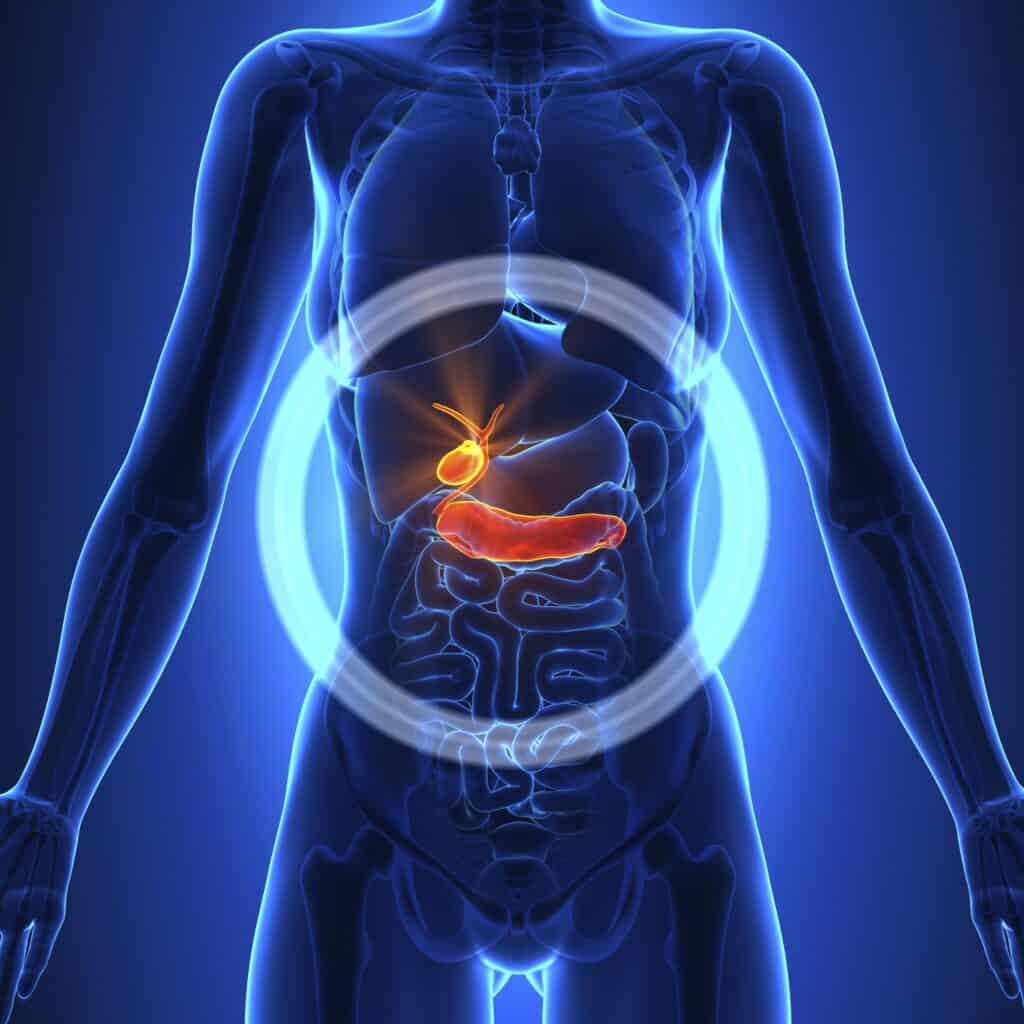
Understanding a Bad Gallbladder Ultrasound: What It Means and What Happens Next
Reviewed by Fairbanks Ultrasound Team
If you recently received results indicating a bad gallbladder ultrasound, it’s natural to feel concerned or uncertain about what the findings mean. Ultrasound is the most commonly used imaging test to evaluate the gallbladder, and it plays a crucial role in diagnosing gallstones, inflammation, infection, blockages, and other diseases that affect the biliary system. At Fairbanks Ultrasound, our goal is to help patients understand their results, what “abnormal” truly indicates, and what steps may come next in the diagnostic or treatment process.
What a Gallbladder Ultrasound Looks For
A gallbladder ultrasound is a non-invasive scan that uses high-frequency sound waves to create images of the gallbladder, bile ducts, and surrounding structures. This test can accurately detect a wide range of abnormalities, including thickened gallbladder walls, stones, sludge, polyps, fluid collections, and signs of inflammation.
When ultrasound findings are labeled as “abnormal,” “concerning,” or commonly described by patients as a bad gallbladder ultrasound, it means the scan has revealed something that needs further attention. Not all findings are severe or dangerous, but they should always be evaluated by your medical provider to determine the next steps.
Get in touch with us!
Common Reasons for a Bad Gallbladder Ultrasound Result
There are several conditions that can cause an ultrasound to show abnormal results. Some of the most common include:
Gallstones (cholelithiasis), which may block bile flow and cause pain.
Inflammation of the gallbladder wall, commonly known as cholecystitis.
Gallbladder sludge, a thick mixture of bile and particles that can lead to future gallstone formation.
Bile duct dilation, often a sign of obstruction or impaired bile drainage.
Polyps or masses, which may require additional imaging.
Pericholecystic fluid, indicating irritation or infection.
While some findings are straightforward, others may require your doctor to compare your results with your symptoms, lab tests, or additional imaging studies.
What an Abnormal Gallbladder Appears Like on Ultrasound
When the scan is abnormal, the radiologist may note characteristics such as:
Thickened gallbladder walls (often a sign of inflammation)
Stones casting acoustic shadows
Poorly contracting gallbladder
Enlarged gallbladder due to blockage
Excess fluid around the gallbladder
Signs of infection or irritation
Abnormal masses or irregularities inside the gallbladder
Each finding provides important clues about what might be causing pain or digestive issues.
What to Do After Receiving a Bad Gallbladder Ultrasound
Receiving an abnormal result is not the end of your diagnostic journey — it is the beginning of getting the proper care you need. After your scan:
| Your doctor may order blood tests to check for infection or liver issues. | Additional imaging, such as a HIDA scan or CT scan, may be recommended. |
| You may be referred to a gastroenterologist or surgeon. | Dietary changes or medication may be suggested depending on your symptoms. |
| In more serious cases, gallbladder removal (cholecystectomy) might be discussed. |
Most gallbladder conditions are treatable, particularly when diagnosed early, which is why prompt imaging is so valuable.
Why Fairbanks Ultrasound Is the Best Choice for Gallbladder Imaging
When you’re dealing with abdominal pain or unexplained digestive symptoms, accuracy and speed matter. At Fairbanks Ultrasound, we use high-quality ultrasound technology to provide clear, reliable images that help your healthcare provider make the best decisions regarding your care. Our team of experienced sonographers performs thorough evaluations with a patient-first approach, ensuring comfort, clarity, and professionalism throughout your visit.
We also communicate closely with referring physicians to ensure they receive detailed imaging results that support timely treatment plans.
Schedule Your Gallbladder Ultrasound Today
If you’re experiencing symptoms or have concerns after receiving a bad gallbladder ultrasound, the team at Fairbanks Ultrasound is here to help you understand your results and get the follow-up care you need. Accurate imaging is the foundation of effective diagnosis — and we are committed to providing both precision and compassion in every exam we perform.
Contact Fairbanks Ultrasound today to schedule your gallbladder ultrasound or to learn more about how we support patients experiencing abdominal pain or biliary issues.