
How Accurate Is Carotid Artery Ultrasound?
Carotid artery ultrasound is considered a highly accurate and effective diagnostic tool for assessing blood flow and detecting vascular disease. When performed by a skilled sonographer and interpreted by an experienced physician, the test provides a sensitivity of over 90% for detecting significant carotid artery narrowing.
Factors Affecting Accuracy
While carotid ultrasound is highly reliable, certain factors can influence its accuracy, including:
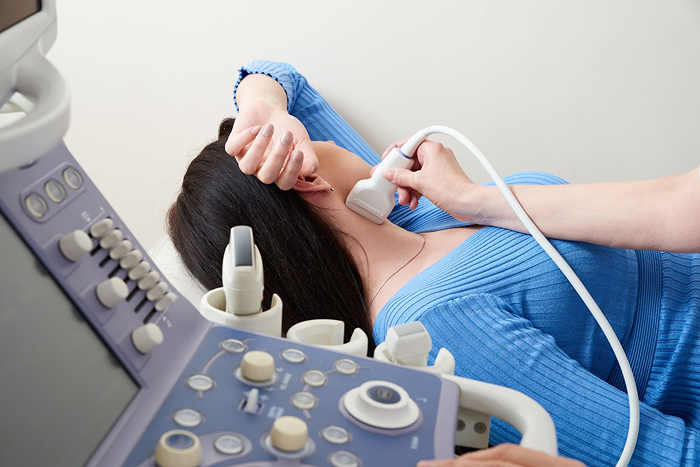
- Technician Experience – The expertise of the ultrasound technician and interpreting physician plays a crucial role in obtaining clear images and making precise diagnoses.
- Patient Anatomy – Individuals with short or thick necks may have more challenging scans, making it harder to get clear images.
- Calcified Plaque – Large amounts of calcification in the arteries may obscure the ultrasound waves, leading to limitations in visualization.
- Motion Artifacts – If a patient moves during the scan, it can affect image quality and interpretation.
Despite these variables, carotid ultrasound remains one of the best non-invasive methods for evaluating carotid artery disease, often used as a first-line diagnostic tool before recommending further tests, such as CT angiography or magnetic resonance angiography (MRA).