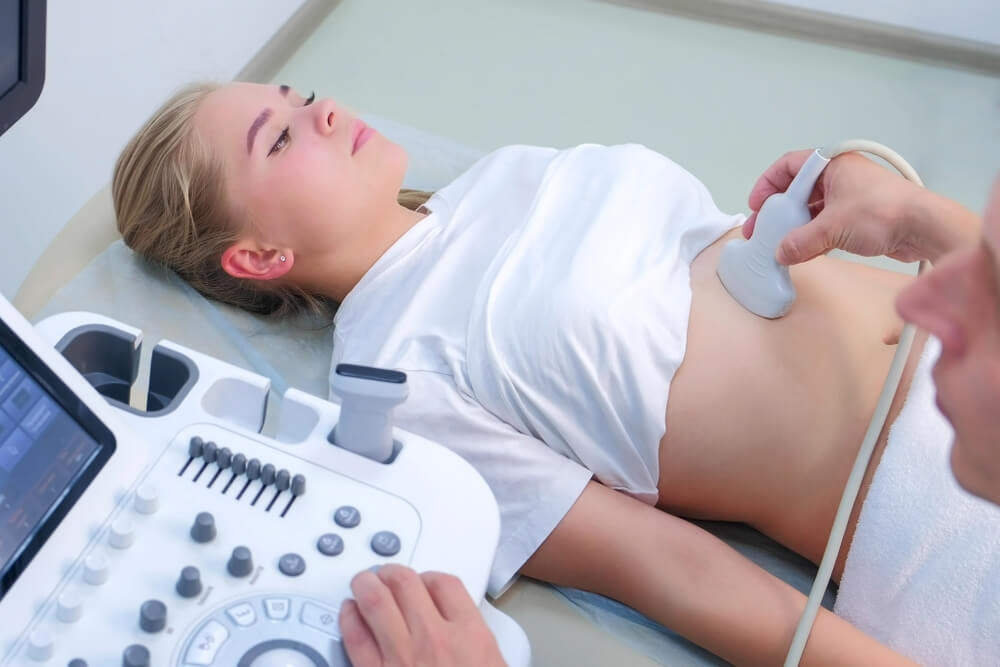
Common Liver Conditions a Ultrasound Can Detect
1. Fatty Liver Disease (Hepatic Steatosis)
Liver ultrasounds can detect excessive fat buildup in the liver, a common sign of non-alcoholic fatty liver disease (NAFLD) or alcoholic liver disease. Fatty liver can develop due to obesity, diabetes, high cholesterol, or excessive alcohol consumption. Early detection can help guide lifestyle changes and medical interventions to prevent further liver damage.
2. Liver Cirrhosis
This test can identify scarring or fibrosis of the liver, which is commonly caused by chronic liver disease, hepatitis, or long-term alcohol use. Cirrhosis can lead to severe complications such as liver failure, portal hypertension, and an increased risk of liver cancer. Regular monitoring with ultrasound can help track disease progression and inform treatment decisions.
3. Liver Tumors and Cysts
Ultrasounds can reveal benign cysts, hemangiomas, or potentially cancerous growths. If an abnormal mass is detected, further testing, such as a CT scan, MRI, or biopsy, may be recommended. Detecting liver tumors early can significantly improve treatment outcomes.
4. Liver Enlargement (Hepatomegaly)
A liver ultrasound can measure liver size and detect enlargement, which may be linked to infections, heart disease, metabolic conditions, or liver inflammation. An enlarged liver could indicate underlying health issues such as fatty liver disease, hepatitis, or congestive heart failure.
5. Liver Abscesses or Infections
Pockets of infection or abscesses within the liver can be identified through ultrasound, aiding in prompt diagnosis and treatment. Liver abscesses can develop due to bacterial infections, parasites, or conditions such as appendicitis or diverticulitis that spread infections to the liver.
6. Bile Duct Obstructions
Ultrasound imaging can detect blockages or narrowing of the bile ducts, which may be caused by gallstones, tumors, or inflammation. Bile duct obstruction can lead to jaundice, liver damage, and infection if left untreated. Ultrasound is a key tool in diagnosing these issues and determining the need for further intervention, such as ERCP or surgery.
7. Vascular Abnormalities
A Doppler ultrasound can assess blood flow in the liver, helping to diagnose conditions such as portal hypertension, thrombosis, or other vascular issues affecting liver function. Proper blood circulation is essential for liver health, and Doppler ultrasound provides critical information about any abnormalities.