
Call (907) 374-4644

Pancreas and Spleen Ultrasound: What an Abdominal Ultrasound Can Show

Reviewed by the Fairbanks Ultrasound imaging team · Updated October 2026

A pancreas and spleen ultrasound uses sound waves to check the size, shape, and texture of two organs in your upper abdomen. It can show signs of pancreatitis, cysts, a widened pancreatic duct, an enlarged spleen, and other changes. Both organs are usually checked as part of a complete abdominal ultrasound. Ultrasound is a fast, radiation-free first test, but gas in the bowel can hide parts of the pancreas, so your provider may order a CT scan or MRI when more detail is needed.

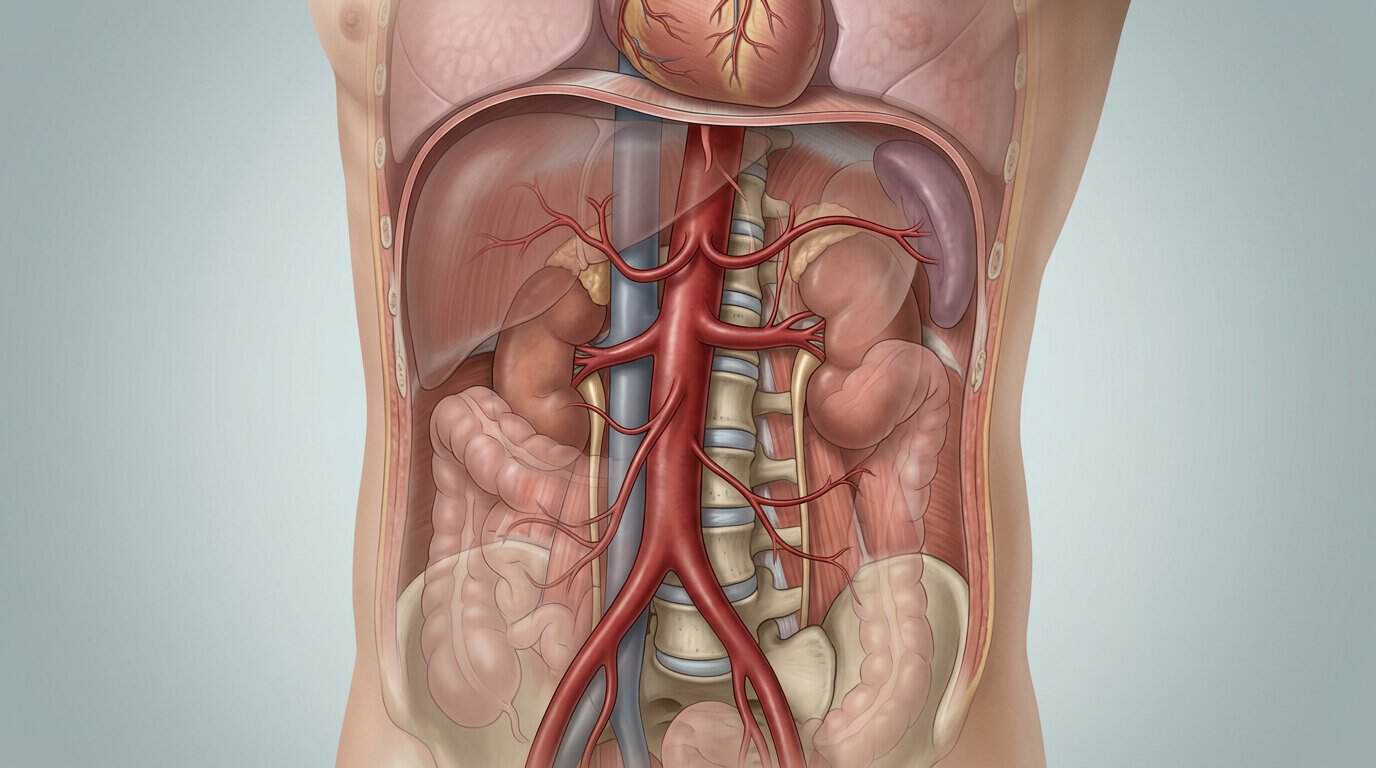
At Fairbanks Ultrasound, the pancreas and spleen are evaluated during our abdominal ultrasound in Fairbanks, AK, along with the liver, gallbladder, kidneys, bladder, and major blood vessels. This guide explains what each organ looks like on ultrasound, what common findings mean, and how to prepare.

Where Are the Pancreas and Spleen, and What Do They Do?

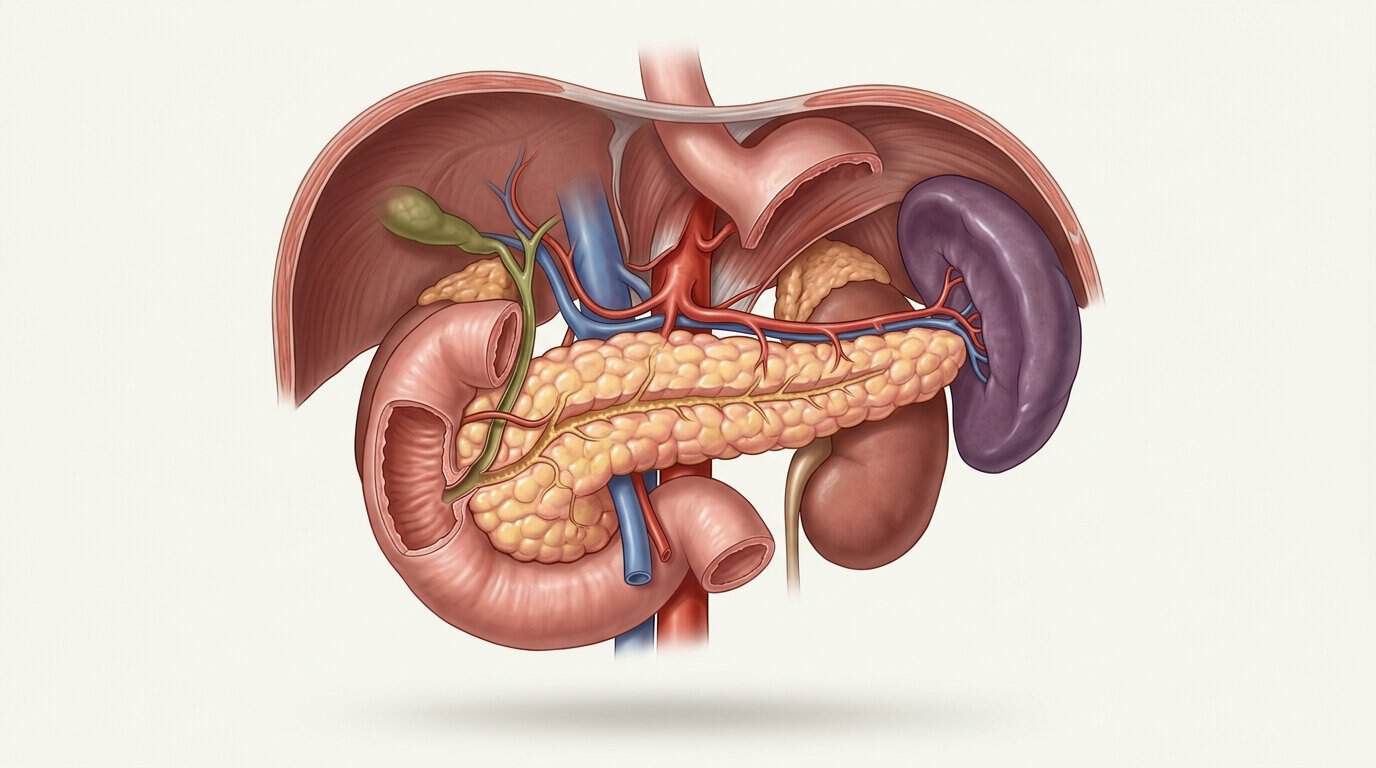
The pancreas is a long, narrow gland deep in the upper abdomen, behind the stomach. It makes digestive enzymes that help break down food, and hormones such as insulin that help control blood sugar. Its three sections are called the head, body, and tail.

The spleen sits in the upper left side of the abdomen, tucked under the lower ribs. It filters old or damaged blood cells, stores some blood cells, and helps your immune system fight infection.

Because both organs sit deep inside the body, problems often cause vague symptoms such as upper abdominal pain, bloating, or a feeling of fullness. An ultrasound gives your provider a quick look at both organs in one visit.

Get in touch with us!

What Can a Pancreas Ultrasound Show?

What a Normal Pancreas Looks Like

A healthy pancreas has smooth edges and an even texture. On ultrasound, it usually looks about as bright as, or brighter than, the liver, and it often looks brighter with age as small amounts of fat build up in the gland. The main pancreatic duct, which carries digestive juices to the small intestine, is normally thin, about 3 mm or less in most adults, and it can widen slightly with age.

Common Pancreas Findings

What Ultrasound Can’t Always See in the Pancreas

The pancreas is one of the harder organs to see on an abdominal ultrasound. Air in the stomach and bowel blocks sound waves, and the tail of the pancreas is often partly hidden. Body size can also make deep structures harder to image.

That is why fasting before your exam matters, and why a report may say part of the pancreas was “obscured by bowel gas.” That phrase describes a limit of the test, not a problem with your pancreas.

When providers need a complete view, such as when a tumor is suspected or pancreatitis is complicated, they usually order a CT scan or MRI. In some cases, a gastroenterologist performs an endoscopic ultrasound, in which a small probe is passed through the mouth into the stomach. Endoscopic ultrasound is a specialist procedure and is not part of a standard abdominal ultrasound. Compare imaging options in CT scan vs. ultrasound and MRI vs. ultrasound.

What Can a Spleen Ultrasound Show?

What a Normal Spleen Looks Like

A healthy spleen has a smooth, curved shape and an even texture. In most adults, a normal spleen measures up to about 12 cm long. Taller people can have slightly larger spleens that are still normal, so radiologists consider your body size.

Common Spleen Findings
pancreas ultrasound 2

Because the spleen often enlarges with liver disease, providers frequently review the liver and spleen together. See our page on liver ultrasound in Fairbanks for more.
Pancreas vs. Spleen Ultrasound at a Glance

Feature Pancreas Spleen
Location Deep in the upper abdomen, behind the stomach Upper left abdomen, under the ribs
Main jobs Makes digestive enzymes and blood sugar hormones Filters blood and supports the immune system
Normal on ultrasound Smooth, even texture; duct about 3 mm or less Smooth, even texture; up to about 12 cm long
Common findings Pancreatitis, cysts, widened duct, calcium deposits Enlargement, cysts, small lesions, accessory spleen
Main limitation Bowel gas can hide parts of the gland Ribs and lung can block some views
Common next tests CT, MRI, or endoscopic ultrasound Blood tests, liver evaluation, or CT

Why Would a Doctor Order a Pancreas or Spleen Ultrasound?

Your provider may order an ultrasound that includes the pancreas and spleen if you have:

Your provider decides whether you need a complete abdominal ultrasound or a more focused exam. For a broader overview, see what an abdominal ultrasound can diagnose.

How to Prepare for a Pancreas and Spleen Ultrasound

Most patients fast for 6 to 8 hours before an abdominal ultrasound. An empty stomach means less gas in the way, which is especially important for seeing the pancreas. Follow our fasting prep instructions and any specific directions you receive when you schedule.

pancreas ultrasound 3

What to Expect During the Exam

You will lie on your back on a padded exam table. Your sonographer applies warm gel to your upper abdomen and moves a small handheld transducer across your skin. You may be asked to roll onto your side, take a deep breath, or hold your breath for a few seconds, which helps move the pancreas and spleen into clearer view.

The exam is painless, although you may feel light pressure. Most abdominal ultrasounds take 20 to 30 minutes, and you can return to your normal activities right away. Read more about how long an abdominal ultrasound takes.

Understanding Your Results

After your exam, a board-certified radiologist reviews your images and sends a report to the provider who ordered the test. Your provider will explain the findings and any next steps. Some phrases you may see on your report include:

To see how other abdominal results are described, read understanding a normal abdominal ultrasound. For timing, see how long it takes to get ultrasound results.

When to Seek Emergency Care Instead

Scheduled ultrasounds are for non-emergency concerns. Call 911 or go to the nearest emergency room if you have severe, constant upper abdominal pain (especially pain that spreads to your back), repeated vomiting, fever with abdominal pain, yellowing of the skin or eyes, or pain in the upper left abdomen or left shoulder after an injury, which can signal a spleen injury.

Pancreas and Spleen Ultrasound in Fairbanks, AK

Fairbanks Ultrasound is a locally owned imaging center at 570 Riverstone Way, Unit #2, in Fairbanks, Alaska. Our credentialed sonographers perform abdominal ultrasounds that include the pancreas and spleen, and radiologists interpret every exam.

Call (907) 374-4644 or request an appointment. We are open Monday through Friday, 8:00 am to 5:00 pm.

Frequently Asked Questions

Yes, an abdominal ultrasound usually shows much of the pancreas, but gas in the stomach and bowel can hide parts of it, especially the tail. Fasting before the exam helps. If more detail is needed, your provider may order a CT scan or MRI.

Ultrasound can show swelling or fluid around the pancreas and is commonly used to look for gallstones, a frequent cause of pancreatitis. Pancreatitis is usually diagnosed with symptoms and blood tests, and a normal-looking pancreas on ultrasound does not rule it out.

Ultrasound can sometimes show a mass in the pancreas, but it can miss small tumors and parts of the gland hidden by gas. When pancreatic cancer is suspected, providers usually order a CT scan or MRI.

In most adults, a normal spleen is up to about 12 cm long. Taller people can have slightly larger spleens that are still normal, so the radiologist considers your body size.

An enlarged spleen, called splenomegaly, can be linked to liver disease, infections such as mononucleosis, or blood disorders. Your provider uses blood tests and your health history to find the cause.

Yes. Most patients fast for 6 to 8 hours before an abdominal ultrasound. Fasting reduces gas in the bowel, which helps the sonographer see the pancreas more clearly.